Short answer: yes, they are the same thing. Pladur is a registered trademark of Saint-Gobain Placo that became the generic Spanish word for drywall — the same linguistic journey as Hoover for vacuum cleaners, Sellotape for sticky tape or Rímel for mascara in Spanish.
If you are a foreign homeowner in Mallorca getting renovation quotes, this guide clears up the vocabulary in two minutes.
Where the word "pladur" comes from
Pladur® is a plasterboard brand created in Spain in 1978, today owned by Saint-Gobain Placo. Its boards were so dominant in the Spanish market that the brand name swallowed the product category: in Spain nobody asks for "placa de yeso laminado" (the technical term, literally laminated gypsum board) — everyone says pladur, whatever brand ends up on the wall.
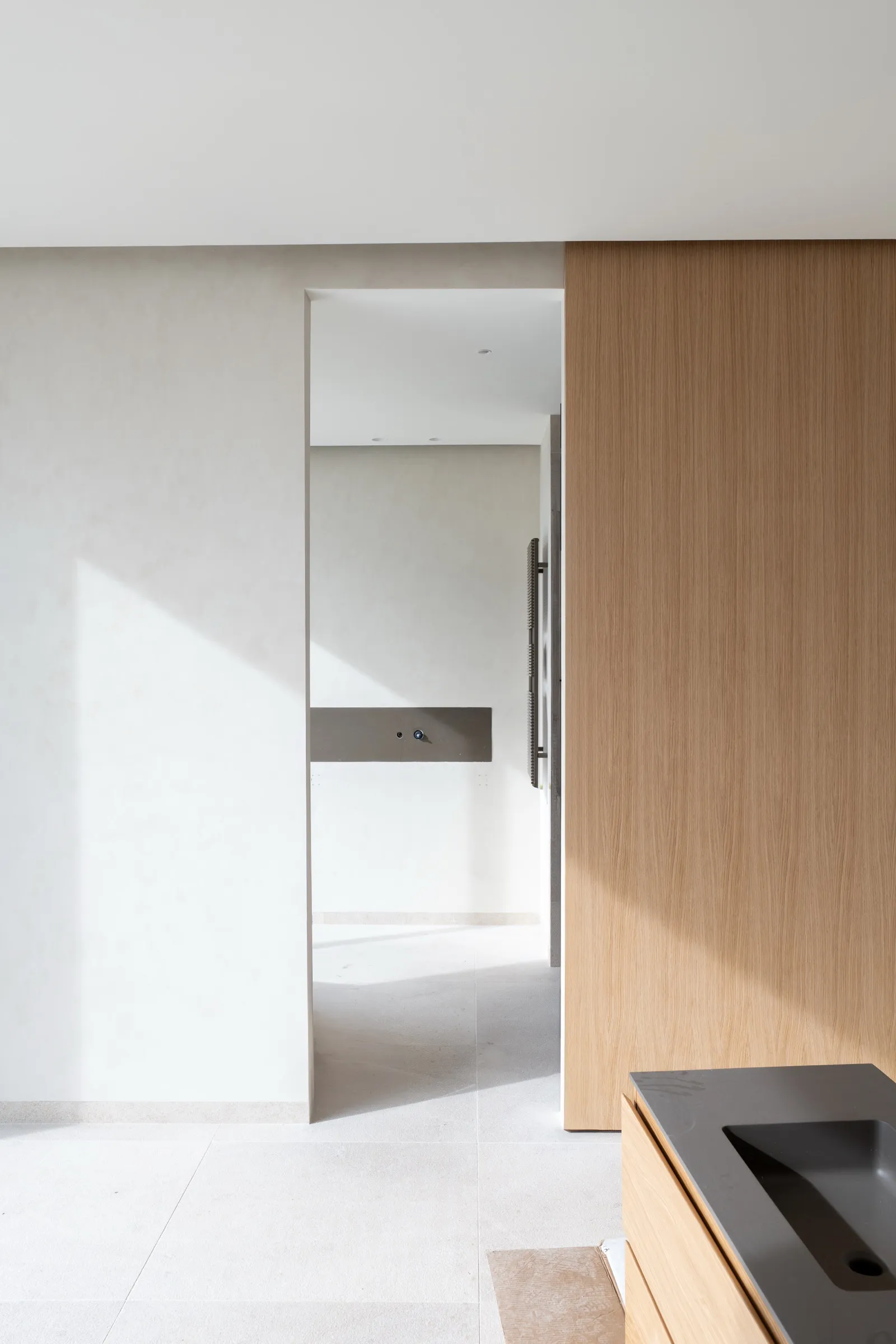
So when a Mallorcan builder, architect or neighbour talks about pladur, they mean exactly what an American calls drywall, a Brit calls plasterboard, and the European standard UNE-EN 520 calls gypsum plasterboard: a gypsum core between two paper liners, screwed to galvanised steel framing, with joints taped and finished ready for paint.
The same system, whatever you call it
There is no technical difference between "drywall construction" and "construcción en pladur". The system is identical:
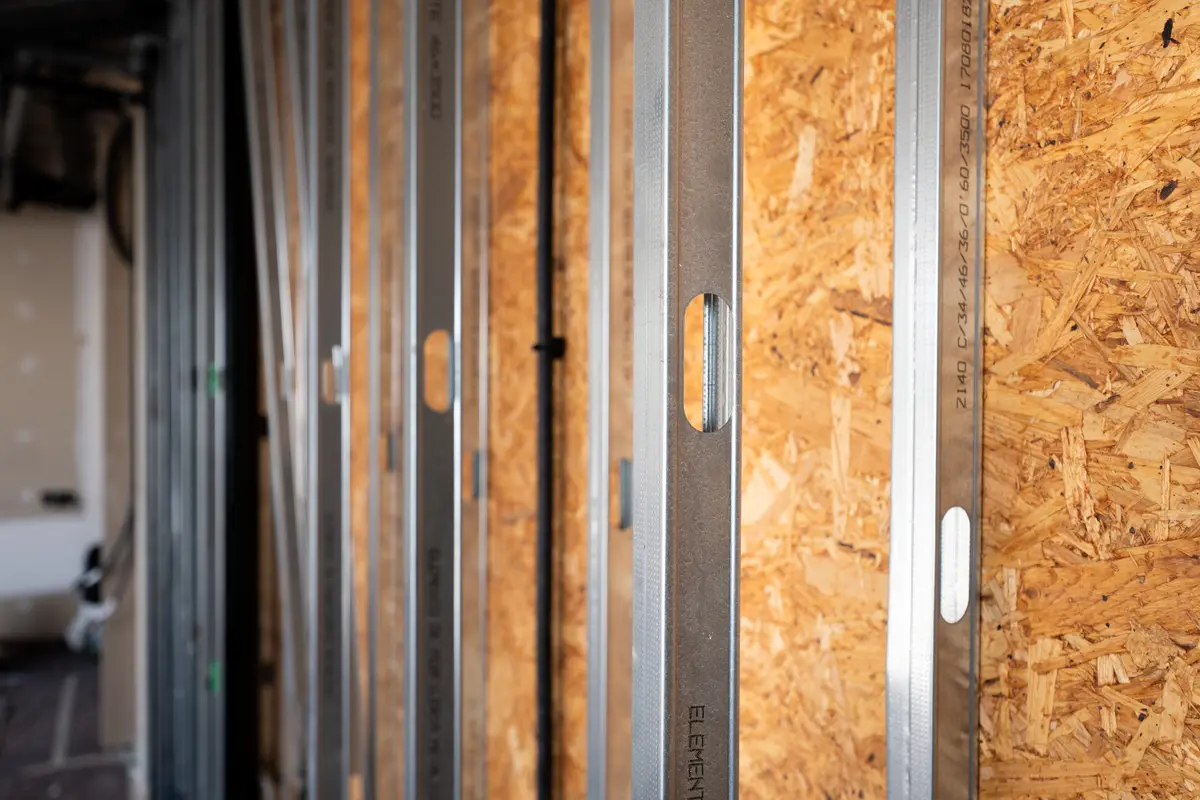
- Framing: galvanised steel studs and tracks (46/70/90 mm), fixed to floor and ceiling.
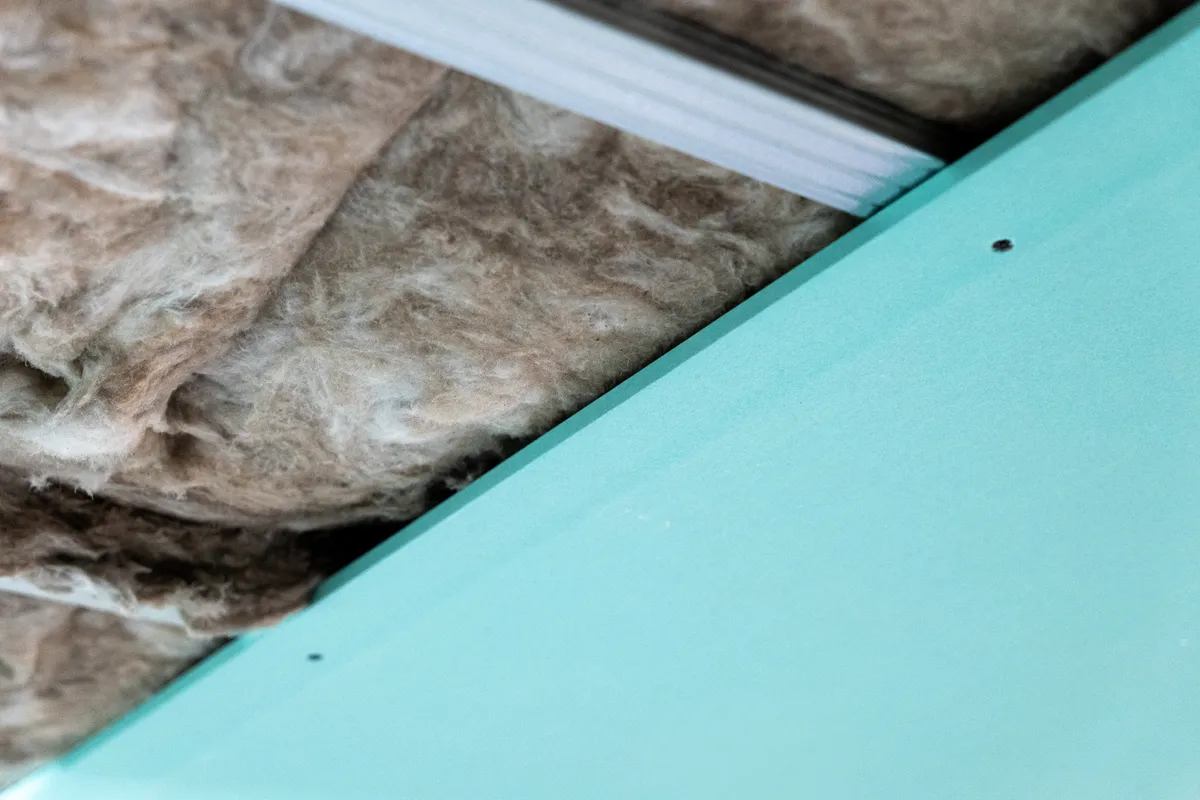
- Boards: 12.5 or 15 mm thick, screwed every 25 cm. Standard (A), moisture-resistant (H1, for bathrooms and kitchens), acoustic high-density (DF) or fire-rated (F) — each with its CE datasheet.
- Cavity: mineral wool for thermal and acoustic insulation, plus room for wiring and plumbing with no wall chasing.
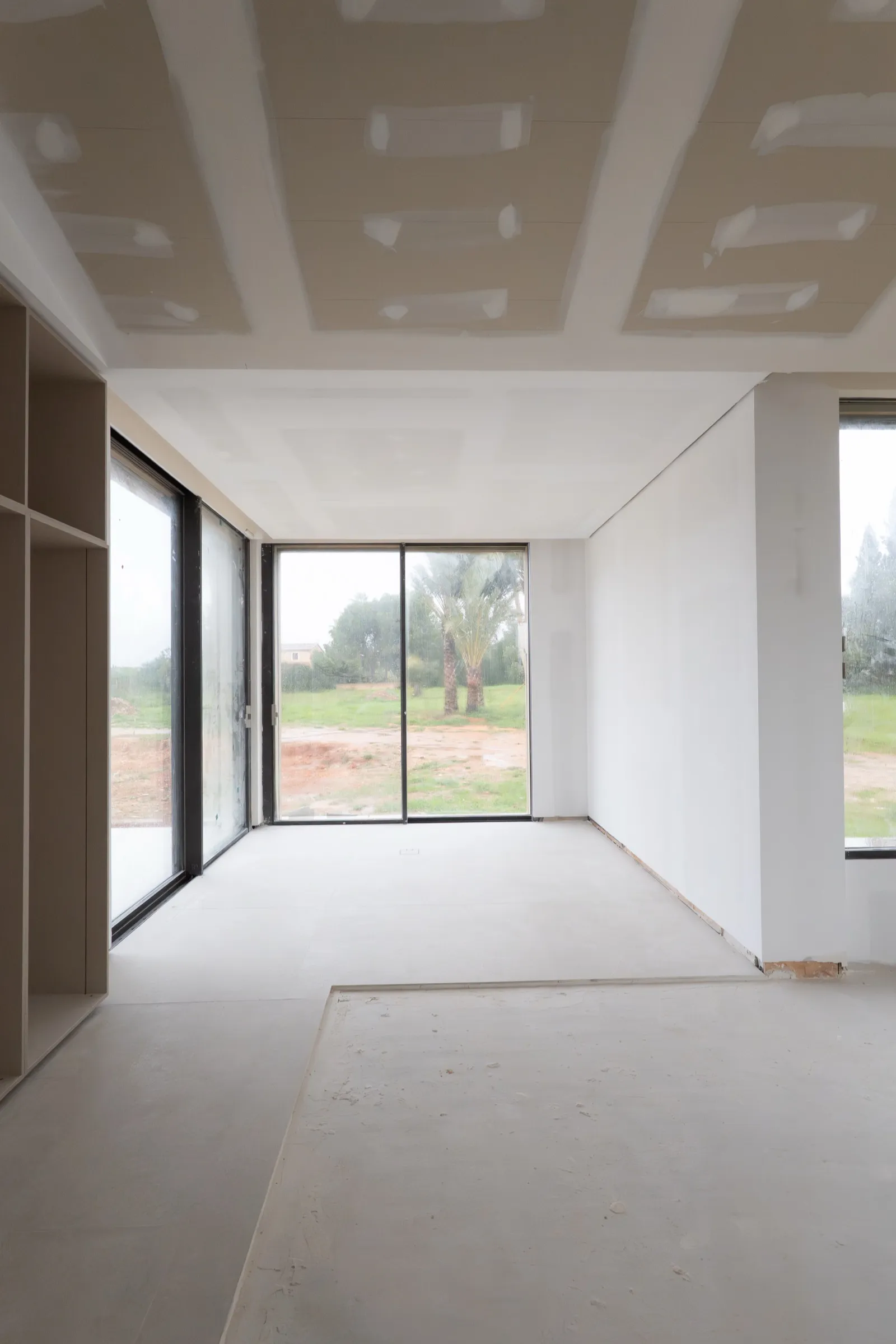
- Finish: taped and jointed to Q2-Q4 quality levels, ready for paint.
What changes between countries is only the dominant brand generic: Pladur in Spain, Sheetrock in the US, Gyproc in much of Europe — all plasterboard.
What this means when you hire in Mallorca
Three practical takeaways for international owners:
- Search in either language, you will find the same trade. "Drywall installers Mallorca" and "instaladores de pladur Mallorca" lead to the same companies. What matters is whether they are dry-construction specialists or general builders who subcontract it.
- Ask which board, not which brand. A serious quote names the board type per room: H1 in bathrooms, acoustic DF on party walls, fire-rated F where regulations demand it. In Mallorca the brands with real distribution are Placo, Knauf and Lafarge — all CE-marked equivalents.
- Expect Spanish paperwork to say "yeso laminado". Building permits, CTE compliance documents and technical datasheets use the formal term placa de yeso laminado (PYL). Same product.
If you are planning works on the island, our drywall installation in Mallorca page explains systems and prices per m², and for full high-end projects see our luxury home renovation service. We have installed exclusively drywall — pladur, if you prefer — since 2004, with 6,000+ projects across Mallorca.